Lares Trek to Machu Picchu: The Complete Guide 2026
The Lares Trek is the most authentic trekking route to Machu Picchu in Peru. Other routes focus on archaeology or extreme altitude. This route goes deeper. It takes you into living Quechua communities. These families have kept their traditions unchanged for centuries. The journey crosses high mountain passes. It visits natural hot springs. It delivers breathtaking Andean views. No permit restrictions apply. If you want the real Peru, the Lares Trek is your answer.
Why the Lares Trek Will Be the Best Decision
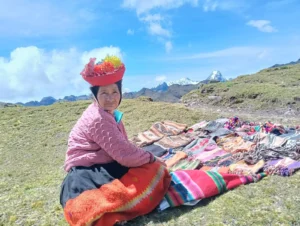
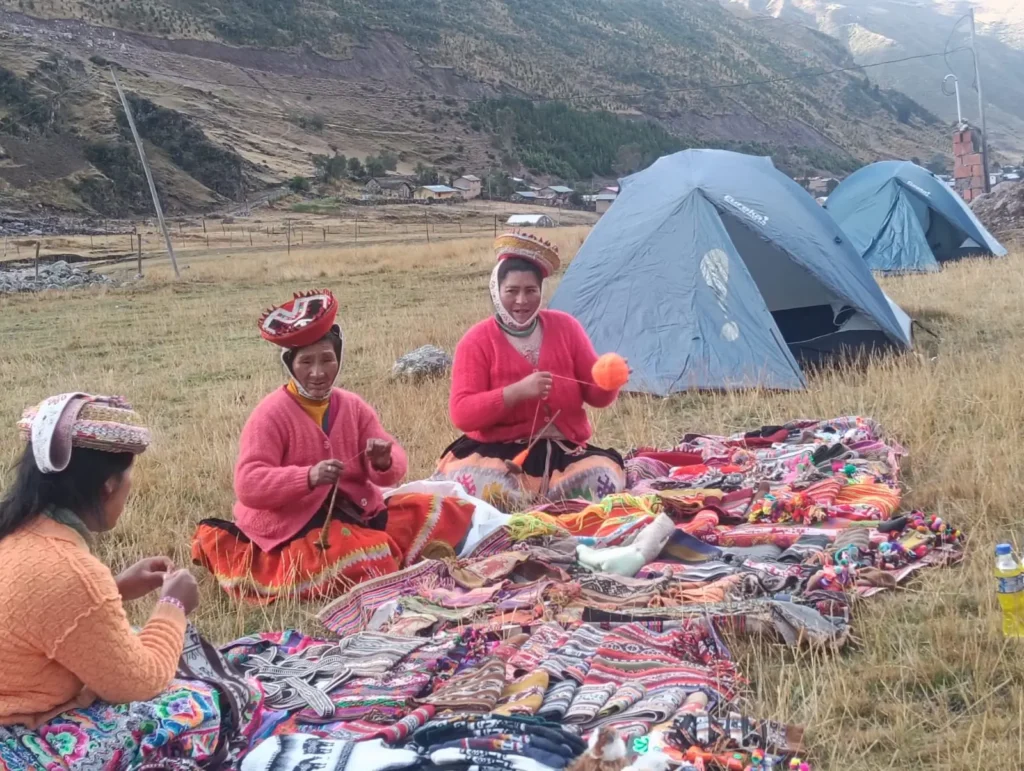
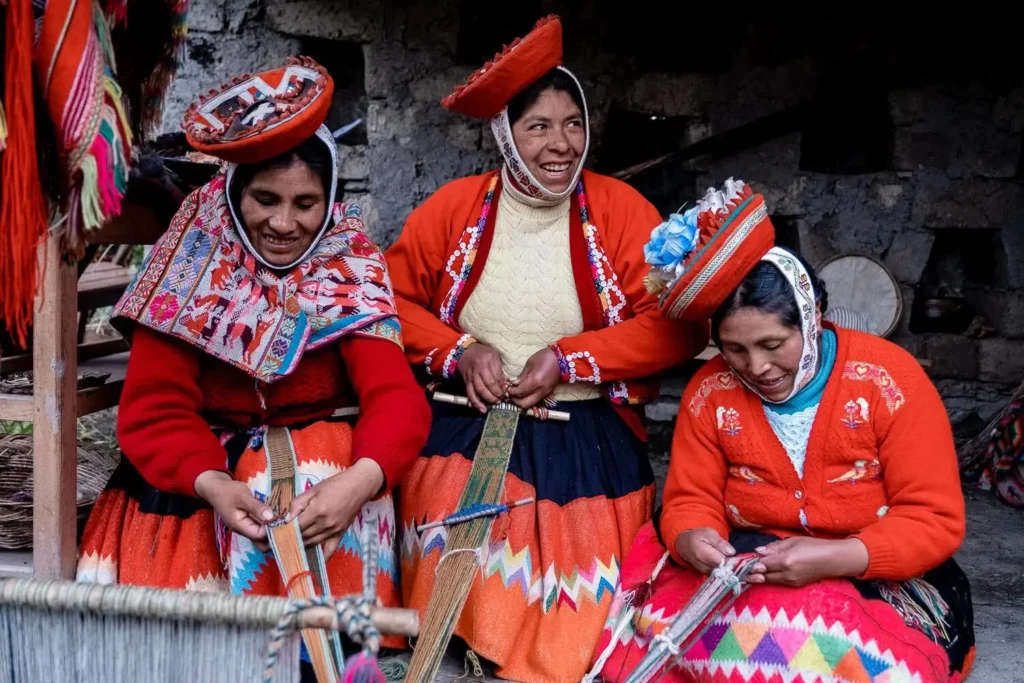
Most travelers arrive in Peru with Machu Picchu as their primary goal. However, the truly extraordinary experiences happen on the journey there. The Lares Trek delivers something unique. No other route offers a genuine encounter with Andean culture. You sleep in communities where Spanish is a second language. Meals are shared with families in traditional clothing. Furthermore, textile traditions that survived the Spanish conquest come alive before your eyes. As a result, travelers who choose the Lares Trek rate it as the most meaningful experience of their entire trip.
Who Is the Lares Trek Perfect For?
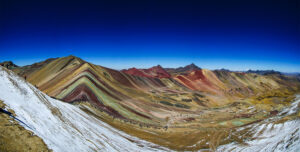
Three things make the Lares Trek genuinely unique. First, it passes directly through living Quechua communities. Local families welcome trekking groups as guests. They share their homes, food and stories openly. Organized tours simply cannot replicate this level of authentic connection. Second, the route crosses natural hot springs at Lares village. Soaking at altitude after a day of hiking is extraordinary. Third, the mountain scenery rivals anything on the Salkantay Trek. Passes reach 4,400 meters. The views stretch across untouched Andean landscape. Few international travelers ever see it.
The Lares Trek suits travelers who prioritize cultural depth. Furthermore, it works perfectly for those who cannot get Inca Trail permits. No months-ahead booking is required here. Photographers find the route endlessly rewarding. Traditional clothing and mountain light create unique images. These moments are impossible to capture anywhere else in Peru. Moreover, families with older children enjoy this route. Couples celebrating special occasions love it too. Solo travelers find genuine human connection here.
Lares Trek 4 Days: Full Itinerary
The following itinerary covers the classic 4-day Lares Trek route used by reputable Cusco operators. Furthermore, this is the most culturally rich version of the route, visiting the maximum number of traditional communities and natural highlights along the way.
Day 1 — Cusco to Lares Village and Hot Springs - huacawasi(3,350 m)
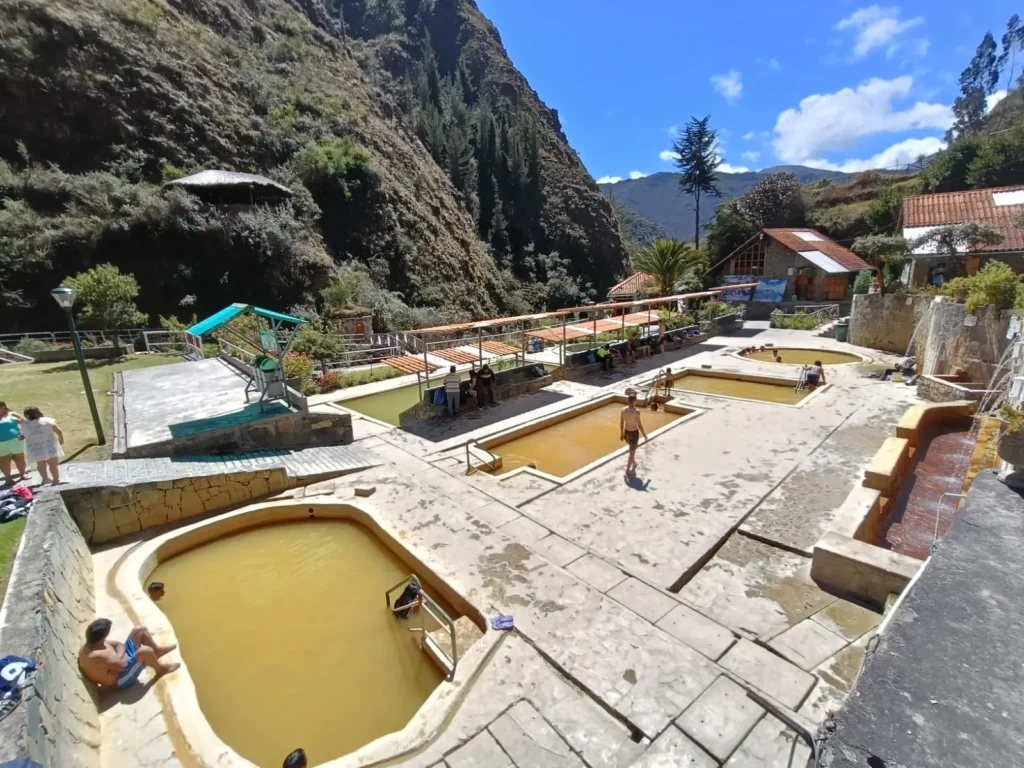
The Lares Hot Springs Experience
Your Lares Trek begins with a 2.5-hour drive from Cusco. The road climbs through remote Andean terrain. High-altitude lakes appear along the way. Traditional farming communities dot the landscape. The trailhead sits above the town of Calca in the Sacred Valley.
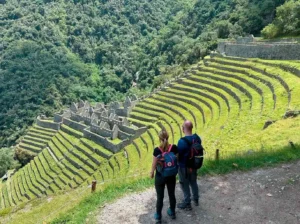
The first day covers approximately 8 kilometers. The path crosses open puna grassland. no crowds exist here. Souvenir stalls are nowhere to be found. Instead, ancient stone paths lead through complete mountain silence. lpaca herds graze at altitude along the way. The landscape feels completely untouched.
The hot springs arrive in the late afternoon. They sit at 3,350 meters above sea level. Mountain views surround the pools in every direction. Soaking in hot mineral water after a day of hiking at altitude is deeply satisfying. Most trekkers describe it as the best part of day one.
– Distance: 8 km
– Elevation: 3,800 m to 3,350 m
– Difficulty: Easy to Moderate
– Overnight: Lares village campsite or community lodge
Day 2 — huacawasi to Ipsaycocha Lake (4,400 m) to Patacancha (3,700 m)
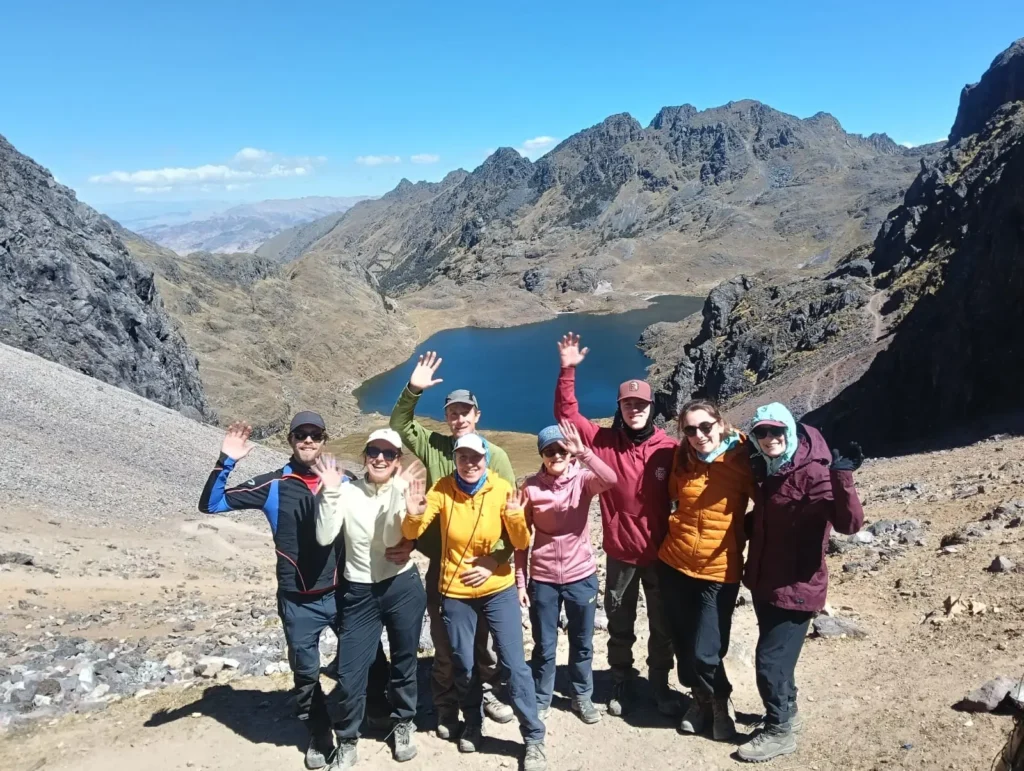
Day two is the most demanding stage of the Lares Trek. You depart early from Lares village. The climb toward Ipsaycocha Lake begins immediately. The pass reaches 4,400 meters at its highest point. The ascent takes 3 to 4 hours. Alpine terrain surrounds you throughout. Turquoise lake waters appear in the valley below as you gain altitude.
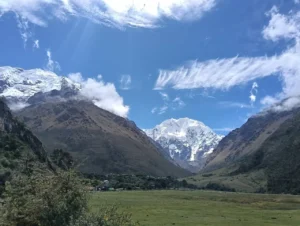
Reaching the summit delivers a 360-degree panorama. Snow-capped peaks stretch to every horizon. Pitusiray, Sawasiray and Chicon are all visible on clear days. Most trekkers spend 20 to 30 minutes simply absorbing the silence.
Community Encounters at Altitude
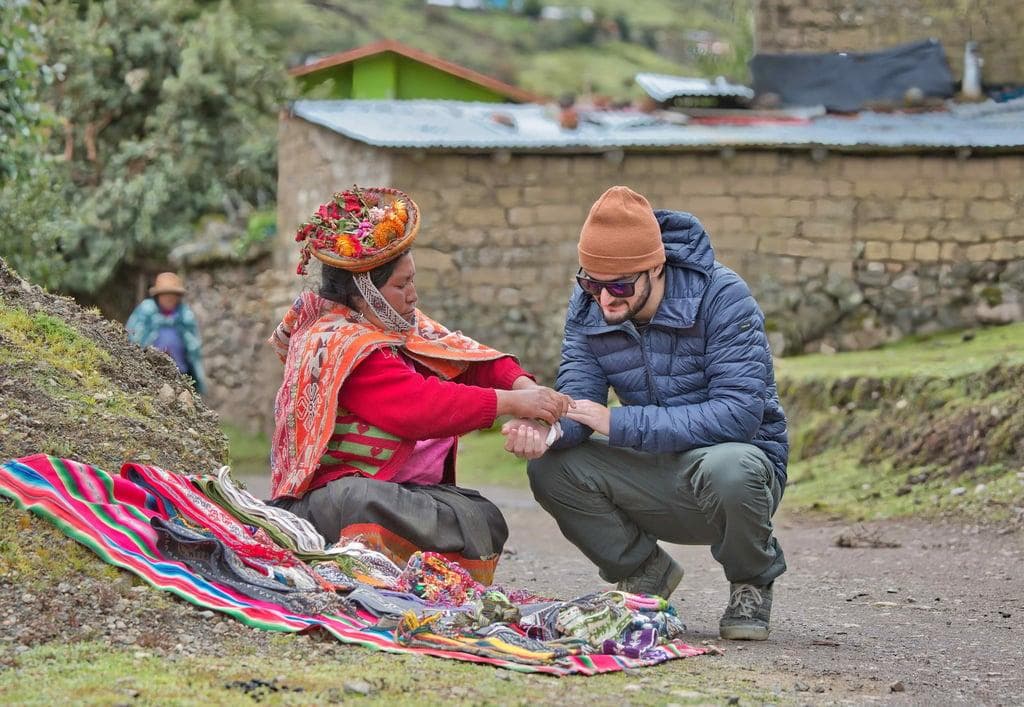
The descent toward Patacancha passes through traditional communities. Children in colorful traditional clothing approach trekking groups with curiosity and warmth. This encounter is completely unscripted. It cannot be scheduled or organized. It simply happens. Most trekkers describe it as the most emotionally powerful moment of the entire trek.
– Distance: 14 km
– Highest point: 4,400 m
– Difficulty: High
– Overnight: Patacancha community campsite
Day 3 — Patacancha to Ollantaytambo (2,800 m) - aguas calientes town
The descent toward Patacancha passes through traditional communities. Children in colorful traditional clothing approach trekking groups with curiosity and warmth. This encounter is completely unscripted. It cannot be scheduled or organized. It simply happens. Most trekkers describe it as the most emotionally powerful moment of the entire trek.
– Distance: 14 km
– Highest point: 4,400 m
– Difficulty: High
– Overnight: Patacancha community campsite
Day 4 — Machu Picchu and Return to Cusco
The descent toward Patacancha passes through traditional communities. Children in colorful traditional clothing approach trekking groups with curiosity and warmth. This encounter is completely unscripted. It cannot be scheduled or organized. It simply happens. Most trekkers describe it as the most emotionally powerful moment of the entire trek.
– Distance: 14 km
– Highest point: 4,400 m
– Difficulty: High
– Overnight: Patacancha community campsite
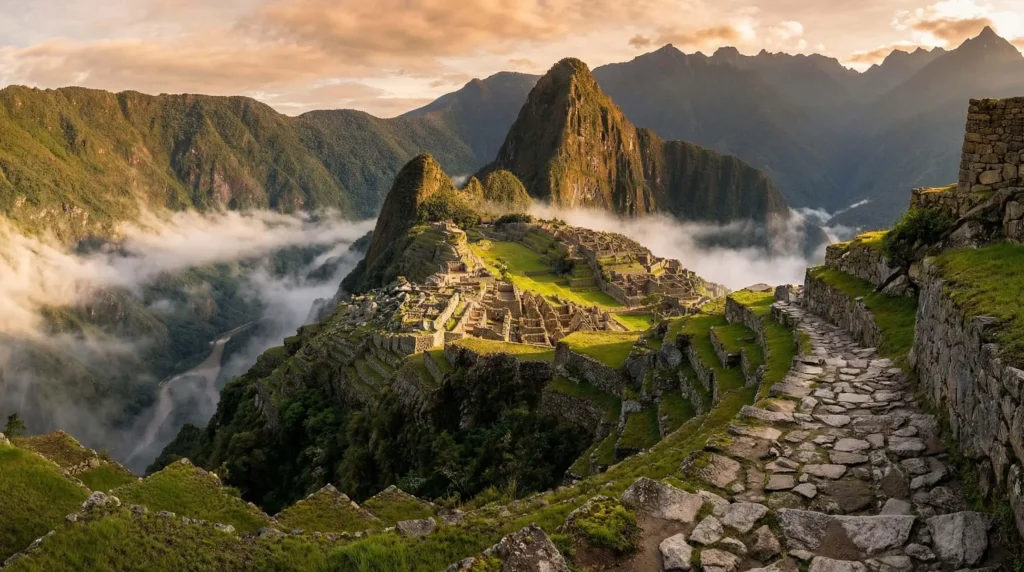
Your Machu Picchu Guided Tour
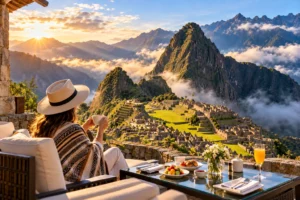
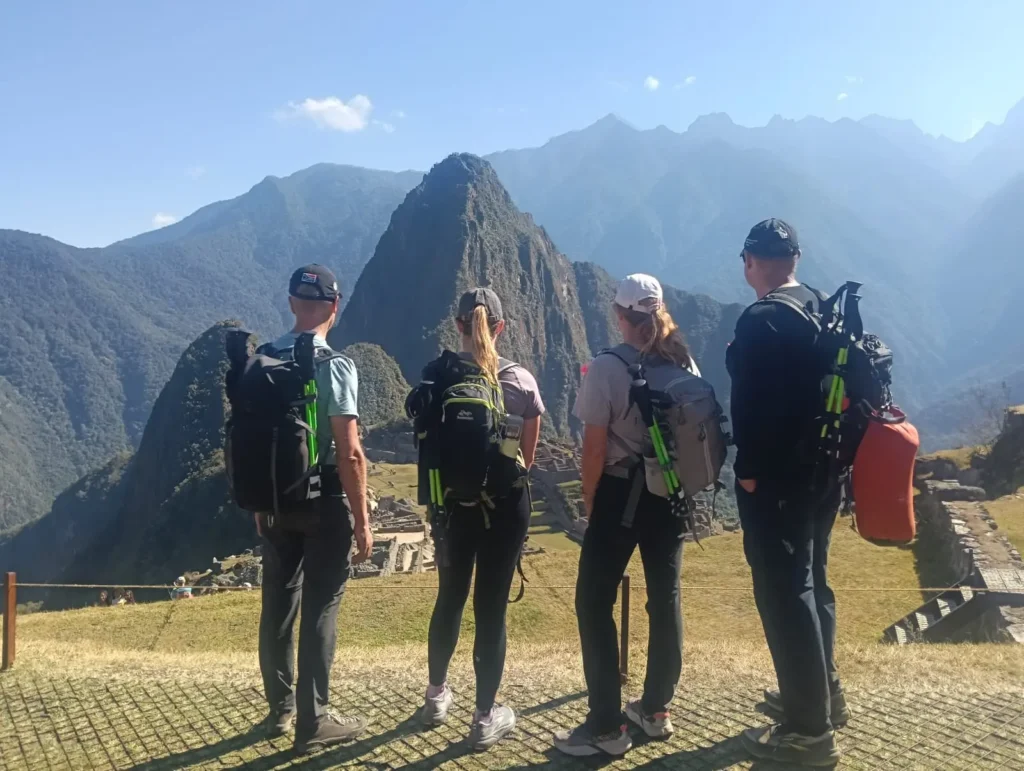
Your certified guide leads a 2-hour tour of the main highlights. The Temple of the Sun comes first. The Royal Palace follows. The Intihuatana stone marks the spiritual center. The classic postcard viewpoint completes the guided section.
Arriving here after three days in Quechua communities creates a different emotional context. The citadel feels earned. It feels connected to the living culture you experienced on the trail. Free time follows for independent exploration.
– First bus: 5:30 AM from Aguas Calientes
– Guided tour: 2 hours
– Return to Cusco: Train and bus, arriving approximately 9:00–10:00 PM
Lares Trek Difficulty
The Lares Trek rates as moderate in overall difficulty. Furthermore, it is less demanding than the Salkantay Trek. In addition, it avoids the extreme altitude of the Inca Trail’s Dead Woman’s Pass. As a result, a wider range of travelers complete it comfortably.
Physical Requirements
You need to hike 8 to 14 kilometers per day for 3 consecutive days. Furthermore, day two involves a sustained climb to 4,400 meters. This requires cardiovascular endurance rather than technical skill. However, descent sections cover steep terrain on uneven stone paths. Nevertheless, most travelers who walk regularly handle the Lares Trek without significant difficulty.
Altitude on the Lares Trek
The highest point reaches approximately 4,400 meters on day two. Furthermore, this is lower than the Salkantay Pass at 4,630 meters but higher than Machu Picchu at 2,430 meters. Therefore, altitude sickness risk is real but manageable. As a result, arrive in Cusco at least 2 full days before starting. In addition, drink 3 liters of water daily, consume coca tea regularly and avoid alcohol for your first 48 hours at altitude.
Acclimatization Tips
Cusco sits at 3,400 meters. Therefore, mild altitude symptoms are common on arrival. Furthermore, spend your first day resting completely. On the other hand, use your second day for gentle city walks. In addition, consider a Sacred Valley excursion on day two since the valley sits at 2,800 meters. As a result, it provides a comfortable active recovery environment before the Lares Trek begins.
Lares Trek Prices 2026
The Lares Trek offers excellent value compared to other routes to Machu Picchu. Furthermore, the absence of a government permit requirement significantly reduces the baseline cost, making it one of the most affordable multi-day trekking experiences in the Cusco region.
What Is Included
A standard Lares Trek tour costs between $350 and $550 USD per person for the 4-day route. This price includes round-trip transport from Cusco, a certified bilingual guide, a professional cook, all meals on the trail, camping equipment, the train from Ollantaytambo to Aguas Calientes and the bus up to Machu Picchu. Furthermore, reputable operators also include entrance to the Lares hot springs and the Patacancha community visit within the tour price. In addition, the Machu Picchu entrance ticket costs $60 to $75 USD extra and must be purchased separately in advance.
Premium and Private Options
A private Lares Trek tour costs between $500 and $800 USD per person depending on group size. Furthermore, private tours provide a dedicated certified guide, a personal cook and complete flexibility over daily pace and community visit time. In addition, lodge-to-lodge versions of the Lares Trek replace camping with accommodation in community-run lodges at each overnight stop, adding comfort without sacrificing the authentic cultural experience that defines this route. Lodge options cost between $650 and $950 USD per person all-inclusive.
What Is Not Included
Regardless of operator, most Lares Trek tours exclude the following costs. The Machu Picchu entrance ticket costs $60 to $75 USD separately. The bus from Aguas Calientes to the citadel entrance costs $12 USD one way. Furthermore, tips for your guide, cook and porters average $40 to $60 USD total for the 4-day trek. In addition, personal travel insurance with emergency evacuation cover is strongly recommended for all high-altitude trekking in Peru.
Best Time for the Lares Trek
Choosing the right season maximizes both the cultural encounters and the mountain scenery that make the Lares Trek extraordinary. Furthermore, the route’s lower altitude compared to the Salkantay Trek makes it more manageable in wet season conditions than higher-altitude alternatives.
Dry Season (May to October) ✅ RECOMMENDED
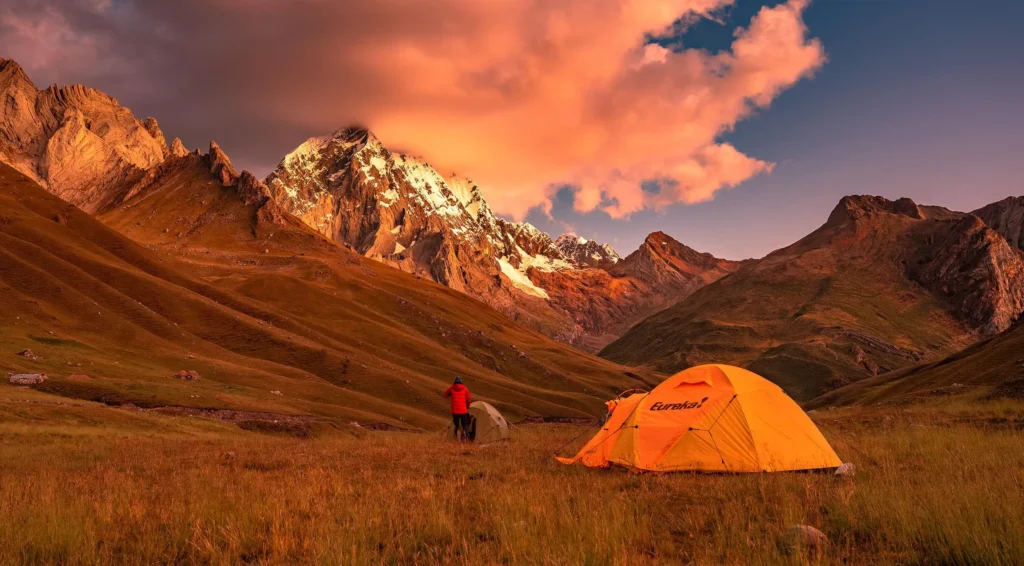
The dry season delivers the best overall conditions for the Lares Trek. Clear skies make the mountain scenery on day two genuinely spectacular. Furthermore, trail surfaces remain stable and community visits proceed without weather disruptions. June, July and August attract the most trekkers, so book 2 to 3 weeks ahead during peak months. In addition, nights at the Patacancha campsite can drop to -5°C even in dry season, so warm sleeping gear remains essential regardless of the time of year.
Wet Season (November to April) ⚠️
The wet season brings daily afternoon rainfall to the Lares Trek route. However, the lower altitude of the trail makes it significantly more manageable in wet conditions than higher-altitude routes. Furthermore, community textile cooperatives are actually more active during wet season months when farming demands are lower, creating richer cultural encounters at each village stop. In contrast, trail surfaces become muddy and stream crossings run higher after heavy rain. Nevertheless, wet season offers dramatically lower prices, far fewer trekkers and lush green landscapes that dry season visitors never experience.
What to Pack for the Lares Trek
Packing correctly for the Lares Trek requires balancing warmth for the high-altitude nights with lighter layers for the warmer community sections at lower elevation. Furthermore, bringing small gifts or purchases from the community cooperatives requires extra bag space that most trekkers underestimate.
Clothing and Footwear Essentials
– ✅ Waterproof hiking boots with ankle support, fully broken in before departure
– ✅ Merino wool hiking socks, minimum 3 pairs
– ✅ Thermal base layers for cold nights at Patacancha campsite
– ✅ Fleece mid-layer and waterproof hardshell jacket
– ✅ Wool beanie and waterproof gloves for the day two pass
– ✅ Light moisture-wicking t-shirts for warmer lower sections
– ✅ Trekking poles for the steep descent sections on days two and three
– ✅ Comfortable camp shoes or sandals for hot spring and evening use
Cultural Essentials
– ✅ Small amount of Peruvian soles cash for purchasing textiles directly from community artisans
– ✅ A genuine interest in asking questions and engaging with your guide about community life
– ✅ Respectful photography approach — always ask before photographing community members
– ✅ Simple Spanish phrases — even basic attempts at communication are deeply appreciated by Quechua families
– ✅ An open mind and flexibility — community encounters are spontaneous and cannot be scheduled
Lares Trek vs Other Routes to Machu Picchu
Understanding how the Lares Trek compares to other routes helps you make the right choice for your travel style, fitness level and priorities.
Lares Trek vs Salkantay Trek
The Salkantay Trek focuses on extreme mountain scenery and physical challenge at higher altitude. Furthermore, it offers more dramatic glacier views and a more intense physical experience overall. In contrast, the Lares Trek prioritizes cultural depth and human connection at a more accessible altitude. As a result, travelers who rank authentic community encounters above dramatic landscapes consistently prefer the Lares Trek. However, those who want the most visually spectacular mountain photography typically choose the Salkantay Trek instead.
Lares Trek vs Inca Trail
The Inca Trail passes through more Inca archaeological sites but requires a government permit booked months in advance. Furthermore, the classic route costs significantly more and demands more physical preparation due to the Dead Woman’s Pass at 4,215 meters. In contrast, the Lares Trek requires no permit, costs less and delivers a richer cultural experience with living communities rather than historical ruins. As a result, travelers who cannot secure Inca Trail permits or who prioritize living culture over archaeology find the Lares Trek the superior choice.
Which Route Is Right for You?
| Aspect | Lares Trek | Salkantay Trek | Inca Trail |
|---|---|---|---|
| Duration | 4 days | 4-5 days | 4 days |
| Highest point | 4,400 m | 4,630 m | 4,215 m |
| Permit required | No | No | Yes |
| Cultural focus | ⭐⭐⭐⭐⭐ | ⭐⭐ | ⭐⭐⭐ |
| Physical demand | Moderate | High | Moderate-High |
| Price range | $350–$800 | $280–$1,000 | $550–$1,200 |
| Book ahead | 1-2 weeks | 1-4 weeks | 3-6 months |
Lares Trek FAQ
Absolutely yes — and for reasons that go beyond physical achievement. The Lares Trek delivers the most authentic cultural encounter available on any route to Machu Picchu. Furthermore, trekkers who complete this route consistently report that the community encounters on days one and two affected them more deeply than the citadel itself. As a result, the Lares Trek offers a complete Peru experience that combines human connection, mountain adventure and the iconic Machu Picchu arrival in four extraordinary days.
No. The Lares Trek requires no government permit and has no daily quota. Furthermore, this makes it the most flexible multi-day trekking option in the Cusco region — you can book as little as 1 week before your departure date and still secure your spot. However, you do need a Machu Picchu entrance ticket purchased in advance at the official government website machupicchu.gob.pe.
The Lares Trek rates as moderate in difficulty. Furthermore, day two with the 4,400-meter pass is the most demanding stage and requires good cardiovascular fitness. However, it is significantly less extreme than the Salkantay Trek and avoids the high-altitude Dead Woman’s Pass of the classic Inca Trail. Most healthy adults who walk regularly and acclimatize properly in Cusco complete the Lares Trek comfortably.
More Frequently Asked Questions
Yes. The Lares hot springs at 3,350 meters form one of the signature highlights of the entire route. Furthermore, soaking in natural thermal pools surrounded by Andean peaks at the end of day one is one of the most physically and emotionally satisfying moments of the entire trek. Most operators build adequate time at the hot springs into the day one schedule.
The Lares Trek attracts significantly fewer trekkers than the Salkantay Trek or Inca Trail. Furthermore, the absence of a permit system means group sizes depend entirely on operator decisions rather than government quotas. Quality operators limit groups to 8 to 12 people maximum, ensuring an intimate and personal experience at every community and natural highlight along the route.
Book Your Lares Trek Today
The Lares Trek runs year-round. Furthermore, spaces fill quickly during peak season. Unlike the Inca Trail, no months-ahead booking is required. However, the best operators and popular dates do fill up quickly. Therefore, book early for the widest choice of group size and departure date.
Why Choose Eco Andes Trekking
Our team has led certified Lares Trek tours for over 15 years. Furthermore, all guides hold official certification from the Instituto Nacional de Cultura and speak fluent English and Spanish. In addition, our community relationships in Lares and Patacancha run deep, built on years of respect and fair economic benefit for local families. As a result, our Lares Trek experience goes deeper into authentic Andean culture than any other operator in Cusco. Ready to experience the real Peru? Contact us today and reserve your Lares Trek for 2027.